
Top-Rated Products For Concrete Installation Efficiency
Identify products designed to streamline your concrete projects and deliver professional-quality results every time.
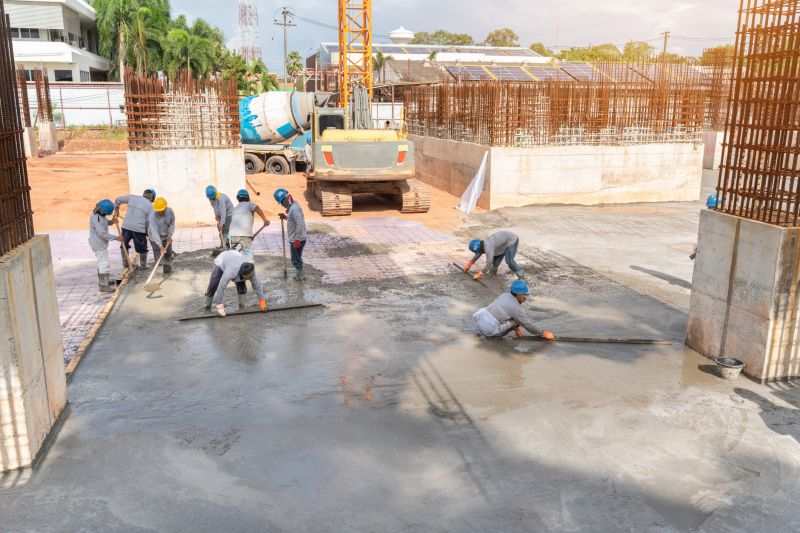 Concrete installations are a fundamental aspect of construction projects, whether for residential driveways, commercial flooring, or outdoor patios. Selecting the right products ensures a durable, long-lasting result that can withstand the demands of daily use. From mixing and pouring to finishing and sealing, a variety of specialized tools and materials are involved in creating a quality concrete surface.
Top Overall Option
Multi-Purpose Concrete Tool Kit
A comprehensive set of essential tools designed for various stages of concrete installation, including mixing, pouring, finishing, and sealing. This versatile kit provides durability and ease of use, making it suitable for both professional contractors and DIY enthusiasts seeking reliable performance across multiple tasks.
Types of Products For Concrete Installations
Concrete Mixers
Machines designed to blend concrete ingredients uniformly, ensuring a consistent mixture for pouring and setting.
Concrete Vibrators
Tools used to eliminate air bubbles and ensure proper compaction of poured concrete for enhanced strength.
Trowels and Floats
Hand tools employed to smooth and finish the surface of wet concrete for an even, polished appearance.
Edgers and Joint Cutters
Tools that help create clean edges and control cracking by forming control joints in the concrete.
Curing Compounds
Products applied to freshly poured concrete to retain moisture and promote proper curing.
Sealants and Surface Coatings
Materials used to protect concrete surfaces from stains, moisture, and surface wear.
Formwork Materials
Molds and frames that shape and contain concrete during the pouring and setting process.
Concrete Adhesives
Specialized bonding agents that improve adhesion between new and existing concrete surfaces.
Reinforcement Mesh and Rebar
Metal grids and bars used to strengthen concrete structures and prevent cracking.
Surface Cleaners
Tools and chemicals designed to prepare and clean concrete surfaces before finishing or sealing.
Concrete Cutting Tools
Equipment such as saws and blades used to make precise cuts in hardened concrete for expansion joints or modifications.
Leveling Tools
Devices like laser levels and screeds that assist in achieving a flat, even surface.
Drills and Anchors
Power tools and fasteners used to install fixtures or reinforce concrete structures.
Concrete Pigments
Coloring agents added to concrete to achieve decorative effects or specific aesthetic goals.
Waterproofing Membranes
Materials applied to prevent water penetration and protect concrete structures from moisture damage.
Popular Choices
Pre-mixed concrete suitable for various small to medium projects, offering convenience and consistency.
Essential hand tools for finishing and smoothing concrete surfaces manually.
Motorized tools that help level freshly poured concrete quickly and efficiently.
Materials used to cover concrete during curing, maintaining moisture and temperature conditions.
Tools that create clean, rounded edges on concrete slabs for a finished look.
Supports that hold reinforcement bars in proper position within the concrete form.
Protective coatings that enhance durability and appearance of finished concrete surfaces.
Pre-formed strips used to control cracking caused by temperature changes and settling.
Equipment designed for precise cuts in hardened concrete for expansion joints or modifications.
Products that improve adhesion between new and existing concrete surfaces.
Metal grids used to reinforce concrete slabs and prevent cracking.
Tools and chemicals for preparing concrete surfaces before finishing or sealing.
Materials applied to concrete to prevent water infiltration and damage.
Pigments used to add decorative color effects to concrete surfaces.
Sprayable products that help retain moisture during concrete curing.
Understanding the different stages of concrete installation helps in choosing appropriate products. Proper preparation involves surface cleaning, leveling, and sometimes applying bonding agents. During the pouring phase, consistent mixing and controlled pouring techniques are essential to prevent cracks and uneven surfaces. Finishing tools such as trowels and floats help achieve a smooth, professional appearance.
Post-installation care is equally important. Applying sealants or curing compounds can protect the concrete from moisture ingress and surface damage, extending its lifespan. Each product used throughout this process plays a critical role in the overall success of the project. Therefore, selecting reliable, high-quality materials and tools suited to specific project requirements is vital for achieving optimal results in concrete installations.
Key Buying Considerations
- Project scope and size to determine the necessary quantity and type of products.
- Compatibility of materials with the specific concrete mix and environmental conditions.
- Ease of use and handling, especially for DIY projects or less experienced users.
- Durability and lifespan of tools and materials in your local climate.
- Application method suitability, whether manual or powered equipment is preferred.
- Curing and sealing requirements to ensure long-term performance.
- Reinforcement needs based on load-bearing or structural requirements.
- Surface finish preferences, including smoothness and texture.
- Budget constraints without compromising essential quality and safety standards.
- Availability of replacement parts or consumables for tools and equipment.
- Manufacturer reputation and product reviews for reliability.
- Compatibility with existing tools or materials on hand.
- Environmental considerations, such as dust control or noise levels, if relevant.
- Storage and transportation requirements for larger equipment.
- Local building codes and regulations that may influence product selection.